Beth Secrist - Babywearing Educator
  • Home
  • About
  • Services
  • Resources
    • Your Mental Health
    • My Infographics
    • My Videos
  • Contact
  • Blog

Beth Secrist - Babywearing Educator

Proudly supporting the families of Central Illinois 

You should get a Tula. Or maybe not. 

4/24/2016

2 Comments

 
Picture
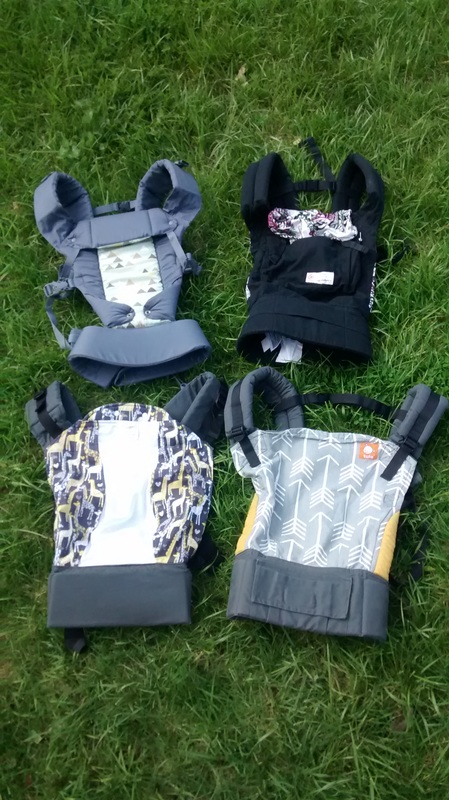
Four popular buckle carriers (Beco Gemini, Ergobaby original, Kinderpack, and Tula) that all fit VERY differently.
PicturePhoto and text by Heather Williams and Rebecca Ticknor from BWI of Greater Houston

"What buckle carrier do you recommend? My friend told me I should get a Tula. She loves hers!"

This question has been asked many times! When someone finds a carrier they love, they cannot wait to tell everyone about how awesome it is. Comfortable babywearing is life-changing for a family! So, if your friend has found that her Tula has made such an amazing impact on her life, it makes sense that she would recommend it to you as the BEST carrier. 

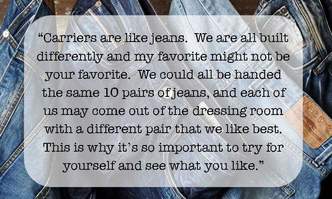
However - no matter much your friend loves her carrier, and no matter how wonderful it might be for her, it may not be the right carrier for you! Every carrier fits differently, and every body (and baby) is different. Would you buy a new cut of jeans without making sure they fit just the way you wanted? Probably not. You try them on, check yourself from every angle, sit down, bend over, and make sure they are the perfect fit.


Buckle, or soft-structured carriers are very much like jeans. They might fit your hips, but the shoulder straps might rub under your arm. The panel might be the right height, but the seat might not be deep enough for your (or your baby's) preference. The construction of a buckle carrier means it is adjustable only to a point. There are some things that just cannot be changed, and those are the things that may impact your comfort. 

Ingredients of a Buckle Carrier
There are a few different types of features that contribute to the fit and function of a buckle carrier, and why you may (or may not) like it. 
  • Waistbelt - The waist might be curved or straighter, and the waistbelt padding can range from dense and structured to quite floppy with less structure. These can affect how the waistbelt feels on your hips and the type of support you can expect. 
  • Shoulder straps - Some straps are fixed in one position. Others have a buckle that gives you the option to cross them or to wear them like fixed straps. Some straps have thick and dense padding, and others have light padding, Some are very wide, others more narrow. Some can adjust in two directions, some can only adjust in one direction. These differences may impact ease of use as well as comfort for you. 
  • Strap angle - The angle at which the straps leave the top of the carrier, as well as where they attach back under your arms at the side varies from carrier to carrier. Your torso length and shoulder width will affect your comfort with these variables. 
  • Panel - The panel that supports the baby's torso varies in height, width, and may be contoured to allow for a deep seat. The variations may impact your comfort and baby's as well. 
  • Webbing - The webbing (the part of the strap that pulls through the buckle) can vary from narrow to very wide. You might prefer one over the other. 
  • Options for positioning - On some buckle carriers, the base of the panel narrows for small babies. This might allow you to use it long before other carriers, and still ensure your baby is safely supported. Other buckle carriers require an insert (sold separately) if you want to use the carrier with a newborn or smaller infant. Some carriers can allow your baby to face forward if and when they are ready (usually around 4 months, if at all). If it is your (or your baby's) preference to face forward, this will impact your carrier choice. 
  • Functional bells and whistles - mesh inserts (to keep baby and wearer cooler), pockets/pouches (for holding small items like keys, pacifiers, a diaper), sleep hoods or headrests (for supporting sleepy heads and providing sun protection), lumbar support panels, and "Perfect fit adjustable straps" (to tighten the tops of shoulder straps and bring baby in closer) are options that may make a huge difference to some people, but might not matter to others. 
  • Other factors - Other than fit, several other factors may affect whether a particular carrier is the right one for you. Price and availability for carriers ranges greatly, and this may influence your choice. We'll discuss the economics of babywearing another time. And lastly, appearance might also be a factor for you. Certain brands have attractive prints on the panels, or trendy colors, and others are known for a simpler look. 

Go to the Fitting Room!
When you have a stack of jeans to try, you take them to the fitting room, try them on, and compare. Similarly, the best way to figure out what works for you is to try on a variety of carriers. Most people can tell fairly quickly (as long as the carrier is being used correctly) whether or not a carrier feels good and fits well. Little tweaks in position of carrier and straps do make a big difference, so it helps to have a person knowledgeable about carriers help you. The quickest way to do this is to attend a babywearing group meeting, or to schedule a consultation with a babywearing educator. At a group meeting or a private consultation, you may have access to a wide variety of carriers to try on, and can get assistance with the tweaks and tips that may help you find the right carrier for your body. 

Just like jeans, when you have found the carrier that fits, you KNOW. And you can buy with confidence, knowing it is the right choice for you and your body!
Picture
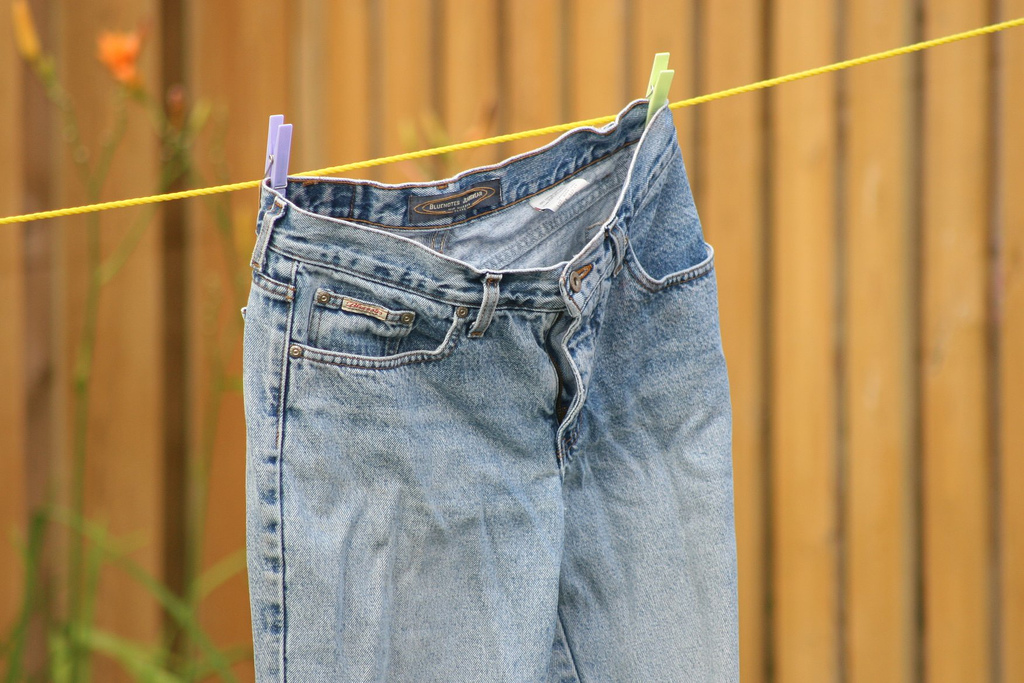
Used under the Creative Commons license through Flickr. Photography by Jeff M for Short
2 Comments
Navigating the woven wrap world, part 4

4/18/2016

1 Comment

 
Picture
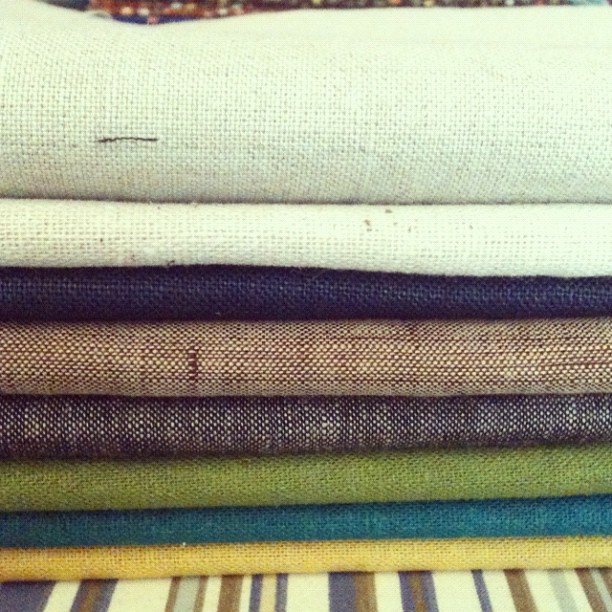
Used under the Creative Commons license through Flickr. Photography by Meaghan O'Malley
​​
​(This post is the fourth in a series about choosing and using a woven wrap. See Part 1 here, Part 2 here, and Part 3 here). 

Today's post is for the crafty folks - how to make a DIY (do it yourself) woven wrap. 
While some people prefer to buy a wrap specially made for carrying babies, others choose to make their own wrap. Hopefully this guide will help. 

The basic things to know are: type of fabric, dimensions, and "how to." 

Recommended types of fabric 
  • Osnaburg - it is a muslin-like material, natural/off-white in color with darker specks on it. It may feel a bit scratchy. This material should be "scoured" before using in order to clean it. 
  • Duck cloth - may feel stiff, like canvas, on the bolt. It will soften up with washing, drying, and using. 
  • 100% cotton or linen "bottom weight" fabric (usually near the denim). 
  • Cotton jacquard tablecloths (Mahogany on Amazon, Threshold at Target, or Christmas Tree Shop) make excellent short wraps.
  • Gauze - this can be a good warm-weather option. It requires careful wrapping, especially with heavier babies, in order to not "dig." Most people recommend it only be used in carries with 3 passes (layers) over the baby. 

Fabric types to avoid
  • Polyester blends, including athletic mesh
  • Quilter's cotton/calico
  • Anything stretchy (like jersey/knits)
  • Anything (even if it meets the criteria of the first list) that says "stain resistant" or "clean by wiping with a damp cloth - these fabrics are treated and not recommended for use as a baby wrap

Dimensions​
There is a lot of information about wrap sizes (that's another whole post!) but for now, we'll cover some basics. Wrap sizing can be confusing, but in general, most new wrappers start with a long wrap that will allow them to do Front Wrap Cross Carry. This size is also known as "base size." This list may help you decide which size is for you: 
  • For very small/thin people, that length is a size 4, or 3.6 meters.
  • For smaller people that length is a size 5, or 4.2 meters.
  • For average size people, that length is a size 6, or 4.6 meters.
  • For larger size people, that length is a size 7, or 5.2 meters.
  • For very large size people, that length is a size 8, or 5.6 meters. 

Remember, you can always cut a wrap shorter, if you find it is too long for you - so err on the side of too long! Also this fabric will shrink about 20% when you wash it so be sure to account for that when you buy, and add enough extra so that you'll have the length you want in you final product.

Osnaburg fabric is usually 60" off the bolt. A wrap width of about 28" works well for most people, so you will have enough for two wraps! 

Step by step directions
1. Buy your fabric (see above).
2. Wash and dry it twice (wash on hot).
3. Scour the fabric if using osnaburg or another undyed fabric (see instructions here: http://www.rootsimple.com/2012/05/how-to-prep-fabric-for-dyeing-scouring/
4. Cut your fabric in half. Measure at the midway point (if your fabric is 60" wide). Cut an inch snip and then rip down the middle. This should be more accurate than cutting with scissors. 
5. Cut the tapers. This is not absolutely necessary, but most woven wraps have tapered edges to make tying knots less cumbersome. A 45 degree angle should work fine. Your finished wrap should look like a parallelogram, not a trapezoid. 
6. Hem your fabric. If you iron and inch fold all around, then hemming should be easier. You need to do a rolled hem. Cotton thread works fine. Sew very close to the fold! This tutorial is helpful, especially for the corners: http://www.sleepingbaby.net/jan/Baby/rehem.html
7. You're almost done! 
8. Last step! Make a middle marker to denote the center of the wrap. You can use anything for this: Fabric pen, ribbon, thread in a contrasting color. Most people like to have a middle marker on both edges (top and bottom). 

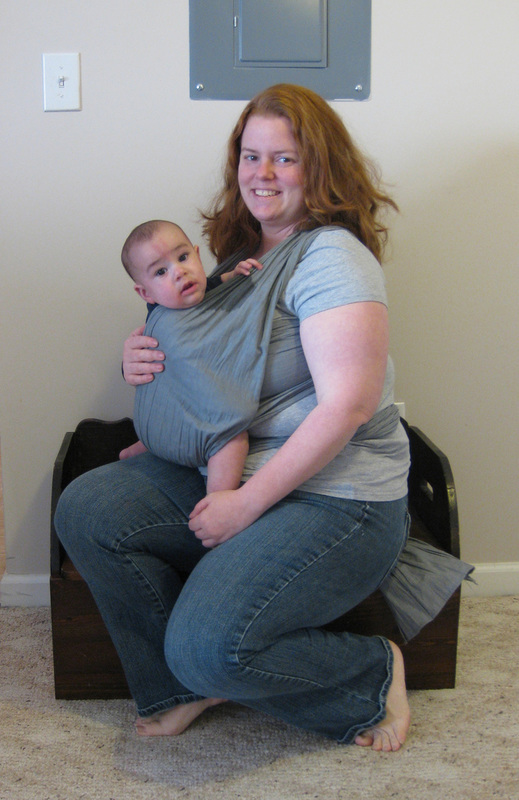
You're done! Go wrap your baby!
Picture
Used under the Creative Commons license through Flickr. Photography by Devon

1 Comment

Navigating the woven wrap world, part 3

4/14/2016

1 Comment

 
Picture
Used under the Creative Commons license through Flickr. Photography by Paul Inkles
(This post is the third in a series about choosing and using a woven wrap. See Part 1 here and Part 2 here).

Today's post contains "everything you need to know" to make a secondhand wrap purchase. 

Some benefits of buying secondhand
  • Secondhand wraps may be more “broken in” - meaning softer and a bit easier to wrap with. As you use your wrap, you will find it molds better around you and your baby’s body. 
  • Wrap designs and colors are discontinued regularly, and buying secondhand gives you more options than just buying what is in stock at a retailer.
  • Your dollar may stretch a bit further. It is not uncommon for certain (not all!) used wraps to sell for less than new wraps.
  • If you are the sentimental sort, you might enjoy the thought that the wrap you use to wrap your baby previously snuggled another baby.

Some risks of buying secondhand
  • Because the wrap is used, it may have stains, holes, long pulls, and more, and the seller might overlook these unless you ask specifically.
  • The USPS is far from perfect, and your wrap might get lost in the mail. Consider paying a little extra for the seller to purchase insurance to cover any loss. 
  • You may be buying a wrap from a home with allergens that trigger you or your family, such as pet hair or fragrances. If these things bother you, ask about them specifically.

Where to buy secondhand
If you have an active local babywearing community, you may be able to find a wrap you like for sale within your community. Many local babywearing groups allow buying/selling/trading of carriers in their Facebook groups. You might also be able to find a secondhand wrap at a consignment sale or even listed on your local Craigslist.

If you cannot find one locally, there are many online options for buying secondhand.
  • The Babywearing Swap - this is the largest Facebook group dedicated to buy/sell/trade of baby carriers. It can be overwhelming when you first look, as it moves quickly and people may be speaking in a confusing jargon about the carriers. Be sure to read the rules indicated in the pinned post and then you will have some guidance in navigating the group.
  • ​Babywearing on a Budget - this is a Facebook buy/sell/trade group where only carriers $100 or less may be listed. It is smaller than The Babywearing Swap but still very active.
  • The Babywearer.com - this is a forum dedicated to all things babywearing. Within this site, there are forums for buying/selling/trading all kinds of carriers. You will need to register for this site (it’s free!) in order to gain access.
  • If you are certain about the brand you would like to buy, there are Facebook groups dedicated to “chatter” and often buy/sell/trade for specific brands. Just search for them on Facebook.

Basic buy/sell/trade group guidelines and etiquette:
  • Each swap group has its own set of rules, so the first guideline is to READ and FOLLOW the rules for that group. 
  • On swap pages, payment is handled via PayPal. You should have a PayPal account set up, and you should make sure that your mailing address is correct, and that account is "verified." You should send your payment as "goods" (not gifted) in order to have buyer protection. Some sellers prefer to invoice your PayPal, and some do not. You can ask the seller, "would you prefer to invoice me, or have me send PayPal directly?"
  • If you find a wrap you want to buy, or might be interested in buying, send a private message to the seller, and comment on their listing: "sent pm.". Sellers have the right to sell to whomever they want, so even if you are the first to comment or message the seller, you may not get the item. If you have questions about the wrap that may affect your decision to purchase, ASK THEM before stating you want to buy it. If you REALLY want the item, you can say "as long as this wrap is in excellent condition (or whatever your deal breaker is), I'd like to buy it."
  • The general rule of swaps is that there are no refunds/returns. So, ask all of the questions you have before you commit to buying. Common questions that would be prudent to ask (if this information is not in the listing) are:
    • What is the condition of this wrap?
    • Are there any holes, stains, weird smells, large pulls, or broken threads?
    • Is your home free from cigarette smoke, pet hair, fragrance?
    • Can you please measure this wrap for me? (in the case of woven wraps, sometimes people think they have a particular size wrap and they list it as such, but it may be shorter (or far too long). It doesn't hurt to ask for measurements.
    • It is considered bad form to "lead on" the seller by asking a million questions and then not replying. If their answers change your mind about buying, just let them know.
  • You should also ask to be sure that shipping and fees are included in their price. American sellers typically include these, often sellers from other countries do not. Most sellers ship Priority and should provide you with a tracking number when they ship. Most good sellers will ship within a day or two. Sometimes it will take an extra couple of days. When you have babies, things get busy!
  • Some sellers are open to short-term payment plans, if you make a non-refundable down payment. You can always ask them if they are open to this. Be sure to clearly define the terms of the payment plan with the seller so all parties are clear on how it will happen!
  • In most swap groups, you need to join the associated feedback group and make a feedback post. Even if your feedback is empty (which as a new member it will be!), some sellers will want to see your feedback link. It is a good idea to search the feedback group for the feedback of the seller and review it before you contact them or buy the wrap, to be sure they are someone who is trustworthy! The swaps run on trust.
  • Many sellers keep an eye on their messages and will respond quickly. If you send a message, be prepared to answer (or let them know if you're going to be away, and when you will be back). Sellers are likely to sell to the first person who asks for or offers a PayPal address.
  • Finally, just remember if you decide to buy used, these are just regular moms and dads like you, trying to sell their wraps, and that communication is key. A seller is going to appreciate you asking questions and being sure about your purchase. Be polite and things should go smoothly. 

Buying a new wrap is great and buying secondhand can also be lots of fun! However, if you are more of a do it yourself type, stay tuned for the next post, about making a DIY wrap. 
1 Comment

Navigating the woven wrap world, part 2

4/12/2016

1 Comment

 
Picture
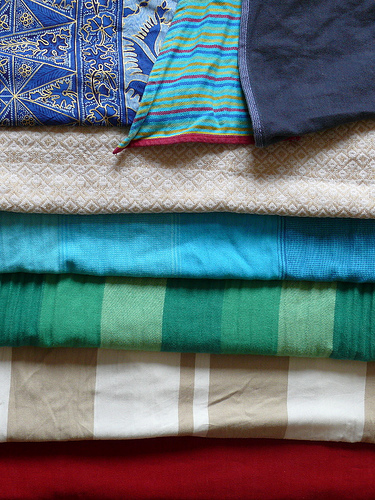
Used under the Creative Commons license through Flickr. Photography by CityofStPete
(This post is the second in a series about choosing and using a woven wrap. See Part 1 here).

Once you’ve determined that you want to use a woven wrap and you start to learn about the different brands available that might be good options for you, you will need to know where and how to get one. The options for buying a wrap come down to: new, secondhand, and DIY. Today, we’ll talk about buying a new wrap. 

There are some advantages to buying a new wrap. One is that you know it will be in new condition - no stains, tears, pet hair, fragrances, or any other surprises. Another important benefit (to both you and the economy)  is that by buying you are supporting the small business that sells these wraps. While you can find a few brands of wraps on major online retailers like Amazon, most new wraps are available from online or brick and mortar specialty stores. Small businesses like these are an important part of the babywearing world. Often, these small business owners are quite educated about the wraps they sell, and will be happy to answer your questions about their products. The customer service is excellent!

Here is a small sampling of the growing number of stores that offer several brands of wraps (and other carriers, too) and are known for excellent customer care:
  • Marsupial Mamas
  • Purple Elm Baby
  • Birdie’s Room (Canada)
  • Risaroo
  • Sprout Soup
  • Granola Babies
  • Cozy Kangaroo (local to me!)
  • Amber Sky (also local-ish to me)
  • 5 Minute Recess

Many of these stores run regular sales and/or have a discount for signing up for their newsletter. If you are not in a rush, consider following their Facebook pages and waiting for a sale. It is important to note, however, that if you wait for a sale, you may find that the wrap you decided you want (and the size you need) is out of stock at that vendor. So, you may need to be flexible about which wrap you want if you are a bargain hunter!

You can also buy many of the wraps discussed in part 1 of this series direct from the manufacturer

Stay tuned for the next post, about where and how to buy secondhand!
1 Comment

Navigating the woven wrap world, part 1

4/8/2016

1 Comment

 
Picture
Used under the Creative Commons license through Flickr. Photography by ithilhin
(This blog post is the first in a series about choosing and using a woven wrap.)

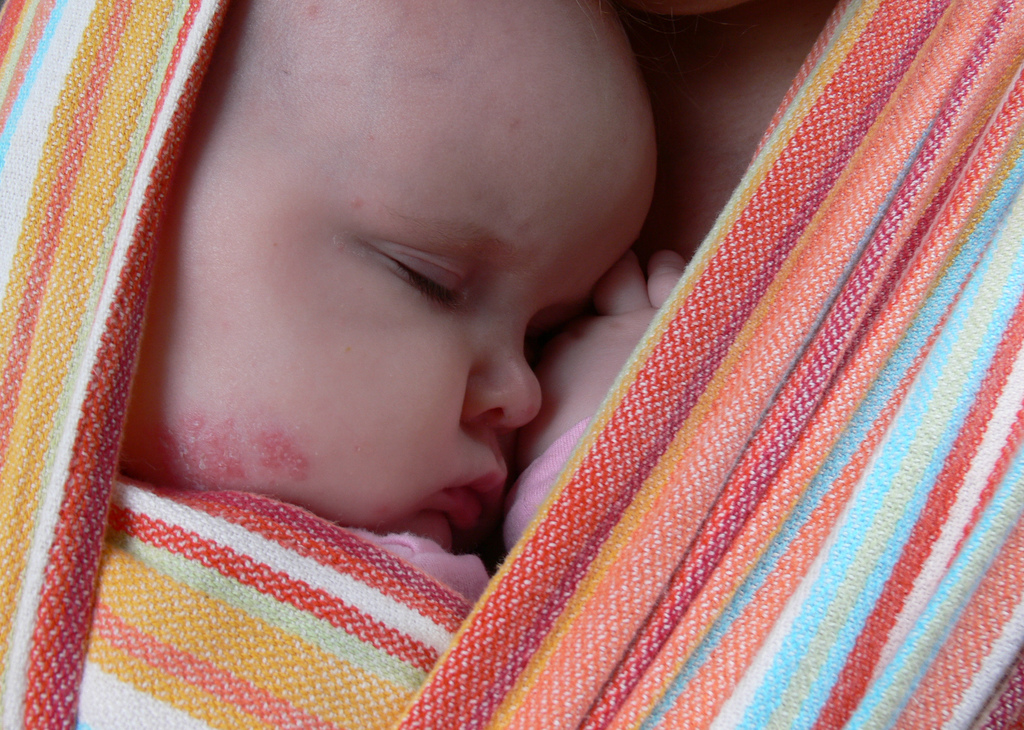
So you want to buy a wrap. You have decided you love the versatility and comfort of wrapping, and you want to dive right in. But if you Google “woven wrap” you are overwhelmed with the number of options and do not know where to start. So many photos of sweet babies and curious toddlers, and wrap designs ranging from rainbows, to hearts, to Harry Potter, to flowers, to soccer balls and so much more. How can you choose?

Many people (though certainly not all) appreciate starting with a wrap with non-repeating stripes, a change in color from one rail of the wrap to the other, or some other feature that allows one rail to be easily distinguished from the other. This can help people who are new to wrapping keep track of the how the wrap is moving around them while wrapping, and also can assist in guiding proper tightening throughout the wrap. As for a fabric, many people choose (and love) 100% cotton for their first (or only) wrap. There are other fibers and blends available, each with their benefits and drawbacks, but in general, cotton is a wonderful beginner fiber.

Here are some brands that are known for their striped wraps or different rails. If you have a favorite wrap company that fits this description and isn’t listed here, please share it!
  • Girasol
  • Dolcino
  • Natibaby (standard line)
  • Didymos (stripes)
  • Hoppediz
  • Little Frog
  • Storchenwiege (stripes)
  • Toto Wrap
  • Babylonia - BBSlen
  • Lenny Lamb

There are stripes in many different colors and widths, from the brightest rainbow, to the most subtle greys. You are sure to find something you like (hopefully it isn’t discontinued, or out of stock, or in transit - more on this next time). Another great option is to buy a solid color wrap, or make a DIY wrap some Osnaburg or other woven fabric, and then dye along one or both rails so you can keep track of them.

Stay tuned for the next post, all about where and how to buy!

4/22/16
Adding links for the other segments in this series. 
Part 2 - where to buy a new woven wrap
Part 3- where and how to buy a secondhand woven wrap
Part 4 - how to make a DIY woven wrap
Picture
Used under the Creative Commons license through Flickr. Photography by Marjolein van Elteren
1 Comment
<<Previous

    Author

    Beth. The babywearing lady.

    Archives

    May 2017
    January 2017
    October 2016
    August 2016
    June 2016
    May 2016
    April 2016
    March 2016

    Categories

    All
    ASL
    Baby Development
    BabyHawk
    Babylonia USA
    Babywearing Educator
    Back Carry
    BBTai
    Beco
    Benefits
    Big Kid
    Boba
    Brain Development
    Breeze
    Buckle Carrier
    Budget
    Buy/sell/trade
    Captions
    Catbird Baby
    Chimparoo
    Chiropractor
    Choosing A Carrier
    Comfort
    Convenience
    Counterfeit
    Crying
    Dads
    Dance
    Deaf
    Didymos
    DIY
    Easy Feel
    Ergo
    Exercise
    Fake
    Fidella
    Fitness
    Fly Tai
    Front Carry
    Gauze Wrap
    Girasol
    Grandparents
    Groups
    Hard Of Hearing
    Helpers
    Hip Carry
    Hot Weather
    How To Buy
    Infant
    Infantino
    Kinderpack
    Lenny Lamb
    Lillebaby
    Mei Tai
    Moms
    Newborn
    Nonprofit
    Postpartum Depression
    Preschooler
    Resource
    Review
    Ring Sling
    Safety
    Sizing
    Small Business
    Soft Structured Carrier
    Soul Slings
    Soul Tai
    Special Needs
    Spotlight
    SSC
    Stretchy Wrap
    Summer Wearing
    The Swap
    Toddler
    Tula
    Tutorials
    Woven Wrap
    Wrap
    Wrapsody

    RSS Feed

    all content
    ​copyright 2016 Beth Secrist

    All photos used under the Creative Commons license through Flickr. Photography by: littletuesday12
  • Home
  • About
  • Services
  • Resources
    • Your Mental Health
    • My Infographics
    • My Videos
  • Contact
  • Blog